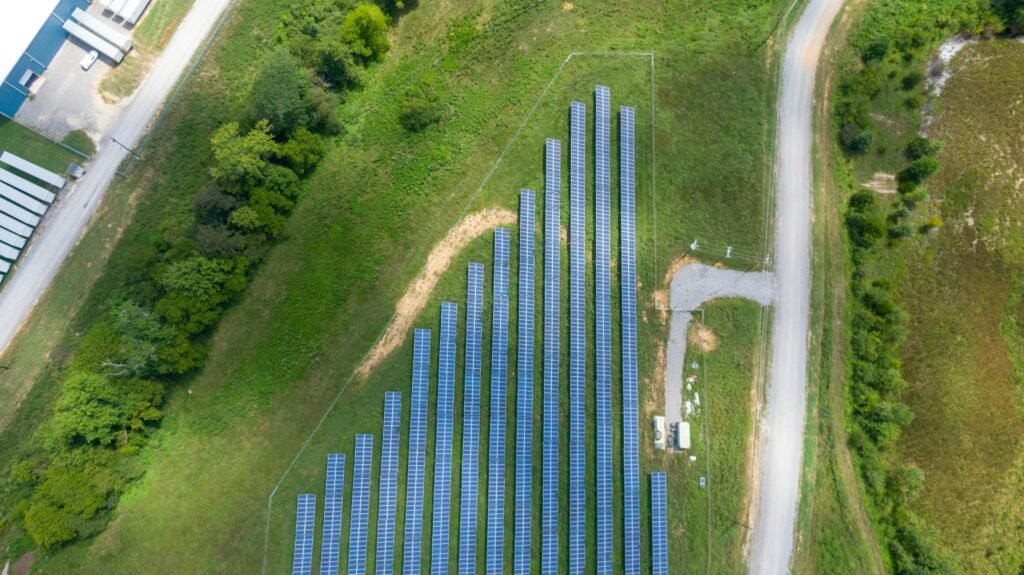


As solar and wind capacity grows worldwide, grid-scale battery storage is becoming essential. Batteries stabilize grids, store excess power, and help energy systems handle variable generation. The global shift toward renewable energy will not succeed without storage that can respond in seconds and scale with demand. This article explains how grid-scale storage works, why the economics are improving, and what developers and policymakers need to prioritize.
Why grid-scale storage is critical
Renewable energy is abundant but variable. Storage turns intermittent power into reliable electricity.
Managing variability and peak demand
Solar produces power during the day, while demand often peaks in the evening. Batteries store daytime surplus and release it when people need it most. This reduces dependence on fossil fuel peaker plants and improves grid reliability.
Supporting grid stability
Batteries can respond instantly to frequency changes, making them valuable for grid balancing. This fast response helps prevent outages and reduces the need for spinning reserves.
How grid-scale battery projects work
These projects are complex systems that combine hardware, software, and market participation.
Core components
A typical project includes battery modules, power conversion systems, control software, and safety infrastructure. Many also include advanced monitoring systems that optimize performance and detect issues early.
Revenue streams
Grid-scale batteries often earn revenue from multiple sources: energy arbitrage (buy low, sell high), capacity payments, and grid services like frequency regulation. Projects with diversified revenue streams are more resilient to market changes.
The economics of storage are improving
Costs have declined significantly, and project returns are becoming more attractive.
Falling battery costs
Lithium-ion costs continue to decline due to scale and manufacturing improvements. As costs drop, storage becomes competitive with traditional grid upgrades.
Better market design
Many regions are updating market rules to value flexibility and fast response. This allows storage to capture more revenue and makes projects more bankable.
Regional differences in storage adoption
Storage growth looks different across markets, influenced by policy, grid structure, and renewable penetration.
North America and Europe
In North America and parts of Europe, storage is driven by renewable integration and aging grid infrastructure. Regulatory support and clear revenue markets accelerate project development.
Asia and emerging markets
In Asia, storage is expanding rapidly, especially in regions with high solar penetration. Emerging markets are exploring storage as a way to reduce diesel generation and stabilize weak grids.
Islands and remote communities
Island grids and remote mining regions are ideal early adopters. Batteries paired with renewables cut fuel costs, reduce emissions, and improve reliability in areas where diesel imports are expensive and unreliable. These projects often demonstrate strong payback periods and become proof points for broader adoption.
Financing and risk management
Capital-intensive storage projects require structured financing and clear risk allocation.
Contracting and revenue certainty
Long-term contracts such as capacity payments or tolling agreements reduce revenue volatility. Many developers combine contracted revenue with merchant exposure to capture upside while maintaining bankability. Investors increasingly look for predictable cash flows before committing large-scale capital.
Insurance and safety standards
Battery safety is central to financing. Projects with rigorous safety standards, thermal management systems, and certified fire protection attract better insurance terms. Transparent safety procedures also help communities accept storage projects.
Challenges to scale
Despite momentum, grid-scale storage still faces obstacles.
Supply chain and sustainability
Battery supply chains depend on minerals with environmental and geopolitical challenges. Recycling and alternative chemistries will be crucial for long-term sustainability.
Permitting and interconnection
Storage projects require grid interconnection and permitting, which can be slow. Streamlined processes are essential to keep development timelines realistic.
What comes next
The next phase of storage growth will include longer-duration technologies, hybrid projects, and deeper integration with renewables.
Long-duration storage
Technologies like flow batteries, compressed air, and thermal storage can provide multi-hour or multi-day energy. These will complement lithium-ion systems as renewables reach higher penetration levels.
Hybrid renewable-plus-storage projects
Co-located solar or wind with storage reduces interconnection costs and improves project economics. Hybrid systems can supply firm power contracts, making renewables more competitive with fossil generation.
Operational best practices
Storage assets are long-term infrastructure. Operational discipline protects performance and profitability.
Monitoring and maintenance
Continuous monitoring of temperature, cycling, and degradation helps operators optimize dispatch and extend asset life. Predictive maintenance reduces downtime and ensures contractual performance metrics are met.
Market participation strategy
Batteries should be optimized based on local market rules. In some regions, energy arbitrage dominates; in others, ancillary services deliver higher returns. Operators that adapt their dispatch strategy to market changes capture more value over time.
Practical steps for stakeholders
- Develop diversified revenue models for storage projects.
- Invest in grid modernization to integrate storage efficiently.
- Prioritize recycling and sustainability to build long-term supply security.
- Support market reforms that value fast-response flexibility.
Conclusion
Grid-scale battery storage is no longer an experimental technology—it is a central pillar of the global energy transition. As costs continue to fall and markets adapt, storage will unlock higher renewable penetration and more resilient electricity systems. The winners will be those who invest early, innovate on business models, and build projects that are both technically and economically sound.
For governments, storage is a strategic asset that reduces fuel imports and strengthens energy security. For utilities, it is a flexible tool that can defer costly grid upgrades. For communities, it is a pathway to cleaner, more reliable power. The momentum is global, and the window to lead is open now for developers, utilities, and investors alike. Early action will define market leaders.