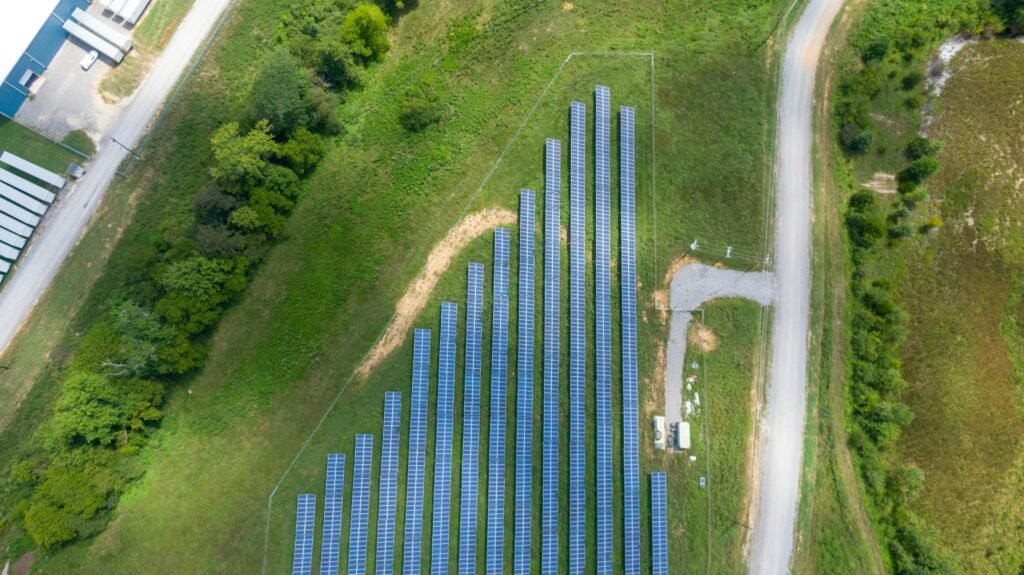


Hydrogen is emerging as a key pillar of the clean energy transition. It can decarbonize heavy industry, long-haul transport, and energy systems that are difficult to electrify directly. But building a hydrogen economy requires more than technology—it needs infrastructure, market design, and global cooperation. This roadmap outlines the key steps, opportunities, and challenges for scaling hydrogen worldwide.
Why hydrogen matters
Hydrogen offers a pathway to reduce emissions in sectors where batteries or direct electrification are not feasible.
Industrial decarbonization
Steel, cement, chemicals, and refining rely on high-temperature processes and feedstocks that are hard to replace. Green hydrogen can substitute for fossil fuels and serve as a clean industrial feedstock.
Long-haul transport
Hydrogen fuels can power ships, trucks, and potentially aviation where weight and energy density are critical. This makes hydrogen a valuable complement to battery electric solutions.
Production pathways
Hydrogen is not inherently clean; it depends on how it is produced.
Green hydrogen via electrolysis
Green hydrogen is produced by splitting water with renewable electricity. As solar and wind costs decline, green hydrogen becomes more competitive. Scale and reliable renewable supply are crucial for cost reduction.
Blue and transitional hydrogen
Blue hydrogen uses fossil fuels with carbon capture. It can provide near-term supply but depends on high capture rates and strict monitoring. Many regions see it as a bridge while green production scales.
Infrastructure: the missing link
Hydrogen needs storage, transport, and distribution systems that don’t yet exist at scale.
Pipelines and storage
Existing gas infrastructure can sometimes be repurposed, but hydrogen requires different materials and safety standards. Large-scale storage in salt caverns or pressurized tanks is critical for supply stability.
Ports and export hubs
Hydrogen trade will likely develop around export hubs where renewable power is abundant. Ports that can handle ammonia or liquid hydrogen will become strategic nodes in a global energy system.
Demand creation and market design
Supply alone will not create a hydrogen economy. Demand policies and commercial frameworks are essential.
Government incentives and mandates
Many regions are introducing subsidies, quotas, and procurement mandates to spur early demand. These policies reduce risk for investors and accelerate infrastructure build-out.
Contracts for difference and price support
Mechanisms like contracts for difference can close the cost gap between green hydrogen and fossil alternatives. This gives investors confidence that projects will be financially viable.
Cost reduction pathways
Hydrogen’s competitiveness depends on lowering production and transport costs.
Scaling electrolysis manufacturing
Electrolyzers are still produced at relatively small scale compared to solar or wind equipment. Standardized designs, automated manufacturing, and stronger supply chains will drive cost reductions similar to what solar panels achieved over the last decade.
Cheap renewable power and flexible operation
Hydrogen projects located near low-cost renewables have a natural advantage. Flexible operation—running electrolyzers when power is cheapest—can significantly lower costs, especially in regions with abundant solar or wind.
Global trade and regional advantages
Hydrogen will not be produced equally everywhere. Regions with abundant renewables and land will become exporters, while industrial regions may become importers.
Renewable-rich exporters
Countries with strong solar and wind resources can produce hydrogen at low cost. Exporting hydrogen or ammonia could become a major economic opportunity, similar to today’s LNG trade.
Import-dependent industrial hubs
Industrial regions with limited renewable capacity may rely on imports. Developing secure supply chains and long-term contracts will be vital for energy security.
Safety, standards, and public acceptance
Hydrogen is safe when managed properly, but it requires new safety protocols and public education.
Standards and certification
International standards for hydrogen purity, transport, and emissions reporting are essential. Certification systems will help buyers verify that hydrogen is truly low-carbon.
Community engagement
New pipelines and facilities require public trust. Clear communication, transparent safety measures, and local economic benefits are important for project approval.
Financing and project risk
Hydrogen projects are capital intensive and depend on long-term certainty.
Offtake agreements
Long-term offtake contracts with industrial buyers reduce revenue volatility and make projects bankable. Early projects often rely on anchor customers who commit to multi-year purchase agreements.
Infrastructure coordination
Production, transport, and demand must scale together. Without coordinated investment, projects can become stranded. Regional hydrogen hubs reduce this risk by clustering supply and demand with shared infrastructure.
A phased roadmap to scale
- Pilot projects (now–2028): Demonstrate industrial use cases and refine technology.
- Regional hubs (2028–2035): Build clusters of production and demand with shared infrastructure.
- Global trade scale-up (2035+): Establish international hydrogen routes and standardized markets.
What businesses should do now
Companies in heavy industry and transport should begin exploring hydrogen partnerships, pilot programs, and supply agreements. Early engagement reduces future risk and positions firms to benefit from policy incentives and first-mover advantages.
Energy developers should also assess land, water access, and grid connections early, as these constraints can become bottlenecks. Building relationships with local authorities and communities speeds permitting and improves project acceptance. These steps are often overlooked but can determine whether a project reaches final investment decision.
Conclusion
The hydrogen economy is not a single project—it’s a multi-decade transformation of energy systems. Success will require coordinated investment in production, infrastructure, and demand creation. Those who act early, build partnerships, and focus on realistic use cases will shape the future of global clean energy.
In the long term, hydrogen will likely complement electrification rather than replace it. The most resilient energy systems will combine renewables, storage, direct electrification, and hydrogen fuels to cover a wide range of industrial and transport needs. Planning for that hybrid future should start now globally.