Home Solar Panels: What to Know Before You Buy
Table of Contents
- TL;DR
- How Home Solar Panels Work
- Is Your Home a Good Candidate?
- Key Components: Panels, Inverters, Batteries
- Permits, Interconnection, and Warranties
- How to Compare Solar Quotes
- FAQs
- Conclusion + CTA
TL;DR
TL;DR: Home solar panels can reduce electricity bills and add resilience, but a good outcome depends on roof suitability, local policies, quality installation, and a quote you understand.
How Home Solar Panels Work
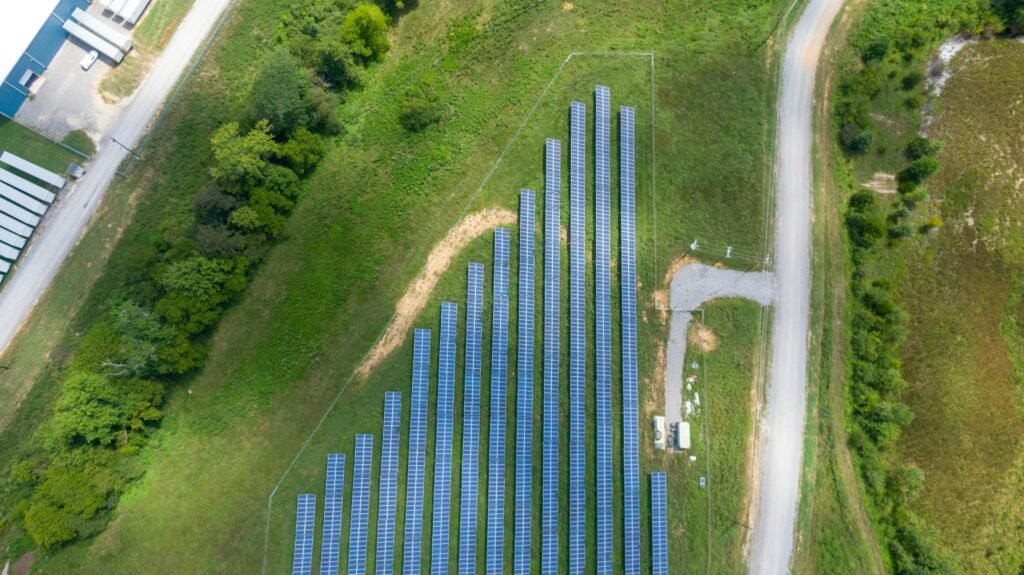
Home solar panels convert sunlight into electricity. Your system typically connects to your home’s electrical panel and either:
- Powers your home directly when the sun is out
- Sends excess electricity to the grid (if your utility allows)
- Stores extra energy in a battery (if you have one)
Solar performance depends on sun exposure, shading, roof angle, and system design. That’s why two homes on the same street can get very different results.
Is Your Home a Good Candidate?
Before you fall in love with a quote, check fundamentals.
Roof and site checklist
- Sun exposure: fewer shadows from trees/buildings is better
- Roof condition: if your roof needs replacement soon, do it first
- Space: enough area for the array size you want
- Structure: the roof must support the system safely
Your electricity usage profile
Solar value is tied to when and how you use electricity. Questions to ask:
- Do you use most power during the day or night?
- Do you have electric heating/cooling loads?
- Are you planning to add an EV or heat pump?
If your usage will rise soon, tell installers—system sizing should reflect your future, not only the past.
Local rules matter
Policies like net metering, time-of-use rates, and interconnection rules can change solar economics. Ask your installer how local utility policies affect your design, especially if you’re considering batteries.
Key Components: Panels, Inverters, Batteries
Solar panels
Most homeowners should prioritize:
- Warranty and manufacturer reputation
- Installer quality (often more important than brand)
- Panel layout that minimizes shading impact
Inverters
Your inverter converts DC electricity from panels to AC electricity used in your home. Common options:
- String inverter: efficient and cost-effective, but shading can reduce output
- Microinverters: one per panel, can perform better with partial shading
- Power optimizers: a hybrid approach
Ask your installer which option best fits your roof shading and layout.
Batteries
Batteries can provide backup power and help you use more of your solar energy at night. Whether a battery makes sense depends on:
- Outage frequency
- Electricity rate structure
- Whether you want backup for critical loads
If you want backup, ask for a “critical loads panel” design so your essentials stay powered without oversizing.
Permits, Interconnection, and Warranties
Permitting and inspection
Solar is a construction project. A reputable installer handles permitting and inspections. Ask about timelines and what could delay them.
Utility interconnection
Interconnection is the step where the utility approves your system to connect and operate. Confirm who manages this process and what documents you’ll receive.
Warranties
Clarify warranty layers:
- Equipment warranties (panels, inverter, battery)
- Workmanship warranty (installation quality)
- Production guarantee (sometimes offered)
Read the fine print: who services issues, and how quickly?
How to Compare Solar Quotes
Two quotes can differ because they’re not offering the same thing. Compare like-for-like.
What to request in every quote
- System size and layout drawing
- Equipment models
- Estimated annual production assumptions
- Total cost and payment schedule
- Warranty terms
- What’s included (monitoring, permits, roof work)
Red flags
- High-pressure sales tactics
- Unclear equipment brands
- Vague warranty promises
- Quotes that ignore shading issues
Ask these questions
- What happens if a panel fails?
- Who monitors performance and how will I know?
- How will you address roof penetrations and waterproofing?
- If policies change, how does that affect me?
Batteries, Backup, and Expectations
Many people assume home solar panels automatically provide power during outages. In many grid-tied setups, the system shuts down during an outage for safety unless you have a properly configured battery or backup system. Ask your installer specifically:
- What loads will run during an outage?
- For how long under typical use?
- Will the system “island” automatically or require manual switching?
Even without a battery, solar monitoring is useful: you can confirm production and spot problems early.
Financing: What to Watch For
Solar financing varies widely. If you finance, understand:
- Total cost over time (not just monthly payment)
- Fees and interest terms
- Whether incentives are assumed in the price
- Transfer rules if you sell the home
When quotes are confusing, ask for a simple breakdown: equipment, labor, permits, and financing separately.
Monitoring: Your Early Warning System
Whatever system you choose, insist on monitoring access. A basic monitoring app or portal helps you:
- Confirm the system is producing as expected
- Spot outages after storms
- See if shading or dirt is reducing output
If monitoring is an add-on fee, it’s often still worth it for peace of mind.
FAQs
Do home solar panels work on cloudy days?
Yes, but output is lower. Solar still generates in diffuse light; performance varies by weather and season.
Should I add a battery right away?
Only if you value backup or your rates reward storing energy. Otherwise, you can design “battery-ready” and add later.
Will solar damage my roof?
A quality installation should not. Proper mounting and flashing are crucial; choose an installer with strong workmanship warranty.
How do I avoid bad installers?
Get multiple bids, check references, and ensure the quote includes specific equipment and warranty details.
What maintenance is required?
Solar systems are generally low maintenance. Monitoring helps catch issues early; occasional cleaning may help in dusty areas.
Conclusion + CTA
Home solar panels can be a smart upgrade when the system is designed for your roof, your usage, and your local rules. The “best” system is the one you understand and can support for years.
CTA: Collect two or three quotes and compare them using a checklist. If a salesperson can’t answer basic questions clearly, keep shopping.