In recent years, home energy storage systems—often referred to as residential energy storage or “home batteries”—have experienced a dramatic surge in popularity across Eastern Europe. This trend has been particularly evident since the outbreak of the Russia–Ukraine War, which has fundamentally reshaped the region’s energy landscape. As infrastructure disruptions, energy insecurity, and geopolitical tensions continue to affect daily life, households are increasingly turning to decentralized energy solutions to ensure stability and independence.
This essay explores the key factors driving the rapid adoption of home energy storage systems in Eastern Europe during wartime, including energy insecurity, infrastructure vulnerability, economic pressures, technological accessibility, and psychological factors. Together, these elements explain why home energy storage has transformed from a niche technology into a necessity for many households.
Energy Insecurity and Grid Instability
One of the most immediate consequences of the war has been widespread energy insecurity. Power grids in parts of Eastern Europe—especially in Ukraine—have been repeatedly targeted, resulting in frequent blackouts and supply disruptions. Critical infrastructure such as power plants, substations, and transmission lines has suffered damage, making centralized energy systems unreliable.
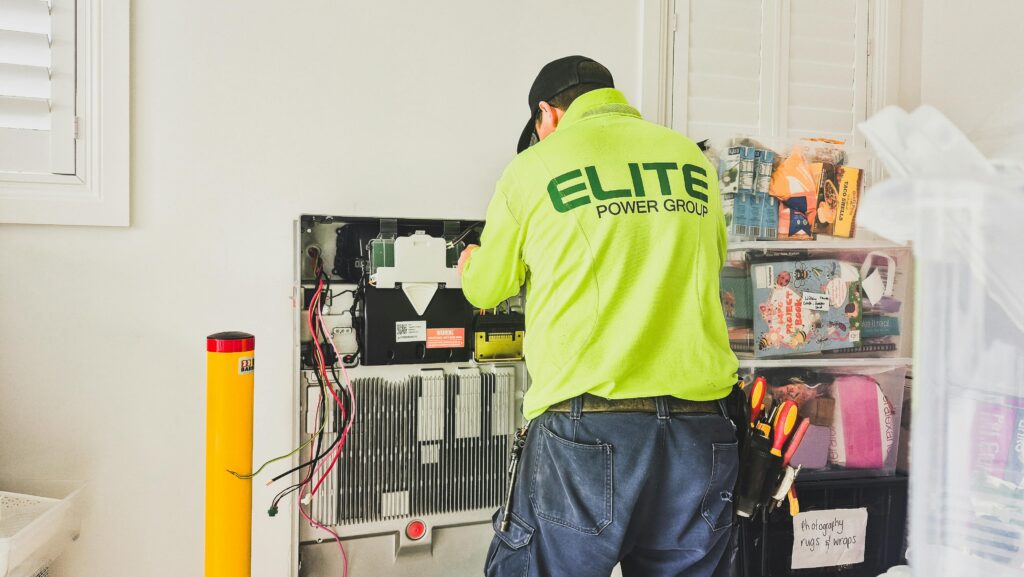
In such an environment, home energy storage systems provide a crucial backup. These systems allow households to store electricity—either from the grid or from renewable sources like solar panels—and use it during outages. For many families, this capability is not just convenient but essential for survival, enabling access to lighting, heating, communication, and medical equipment during power cuts.
The instability of the grid has therefore created a strong incentive for individuals to seek self-sufficient energy solutions. Unlike traditional generators, which rely on fuel, home batteries offer a cleaner and often quieter alternative.
Rising Energy Prices and Economic Pressure
Another major factor driving the adoption of home energy storage is the sharp increase in energy prices. The war has disrupted natural gas supplies, particularly from Russia, leading to higher costs across Europe. Countries that were heavily dependent on Russian energy imports have been forced to seek alternative sources, often at significantly higher prices.
This situation has made electricity more expensive and unpredictable. For households, managing energy costs has become a priority. Home energy storage systems help mitigate these costs by enabling users to store electricity when prices are lower and use it when prices rise.
In addition, many governments in Europe have introduced variable pricing models, where electricity costs fluctuate based on demand. Energy storage systems allow consumers to take advantage of these fluctuations, reducing their overall expenses.
Thus, economic pressure has turned energy storage into not only a tool for resilience but also a financial strategy.
Integration with Renewable Energy
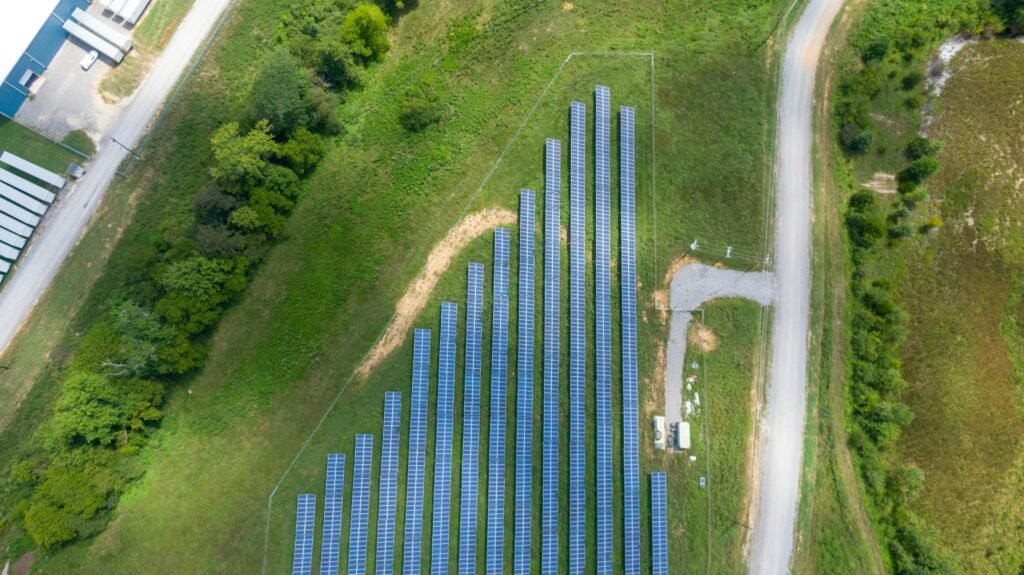
The rise of home energy storage is closely linked to the increasing adoption of renewable energy, particularly solar power. In many parts of Eastern Europe, households are installing rooftop solar panels to reduce dependence on the grid.
Home batteries play a critical role in this ecosystem. Solar energy production is intermittent—it depends on sunlight, which is not always available when energy is needed. Storage systems solve this problem by storing excess energy generated during the day for use at night or during cloudy periods.
In wartime conditions, this combination of solar power and battery storage provides a level of energy independence that is highly valuable. Households can continue to function even when the central grid is compromised.
This shift toward decentralized energy systems represents a broader transformation in how energy is produced and consumed.
Technological Advancements and Accessibility
In the past, home energy storage systems were expensive and relatively uncommon. However, recent technological advancements have made them more affordable and accessible.
Lithium-ion battery technology, in particular, has improved significantly, offering higher efficiency, longer lifespan, and lower costs. As production has scaled up globally, prices have decreased, making these systems more attainable for average households.
In addition, many companies now offer integrated solutions that combine solar panels, batteries, and smart energy management systems. These packages are easier to install and operate, reducing the barrier to adoption.
The availability of portable power stations has also contributed to the trend. These smaller, mobile units provide temporary energy storage and can be used during emergencies, making them especially appealing in conflict zones.
Government Policies and Incentives
Governments across Europe have recognized the importance of energy resilience and have introduced policies to support the adoption of renewable energy and storage systems.
Subsidies, tax incentives, and grants have been offered to encourage households to invest in solar panels and batteries. In some countries, regulatory changes have made it easier to connect these systems to the grid or operate them independently.
In the context of war, these policies are not just about environmental sustainability—they are also about national security. Decentralized energy systems reduce reliance on centralized infrastructure, which is more vulnerable to attacks.
As a result, public policy has played a significant role in accelerating the adoption of home energy storage.
Psychological Factors and the Need for Security
Beyond practical considerations, psychological factors have also contributed to the popularity of home energy storage systems.
Living in a region affected by war creates a heightened sense of uncertainty and vulnerability. Access to electricity is closely tied to safety and well-being, influencing everything from communication to heating.
Owning a home energy storage system provides a sense of control in an otherwise unpredictable environment. It allows individuals to prepare for emergencies and reduce their dependence on external systems.
This psychological reassurance is a powerful motivator, particularly in areas where power outages are frequent and unpredictable.
Community and Social Influence
The rapid spread of home energy storage systems has also been influenced by social factors. As more households adopt these technologies, others are encouraged to follow.
In some communities, energy independence has become a shared goal. Neighbors exchange information, share experiences, and even collaborate on energy solutions.
Social media and online platforms have further amplified this trend, with users sharing their setups, tips, and success stories. This visibility has increased awareness and normalized the adoption of home energy storage.
Challenges and Limitations
Despite its rapid growth, the adoption of home energy storage is not without challenges.
High Initial Costs
Although prices have decreased, the upfront cost of installing a complete system—especially one that includes solar panels—can still be significant.
Technical Complexity
Installing and maintaining these systems requires technical knowledge, which may not be readily available in all regions.
Supply Chain Issues
The global demand for batteries has led to supply constraints, affecting availability and pricing.
Safety Concerns
Improper installation or use of battery systems can pose safety risks, including fire hazards.
Addressing these challenges will be essential for the continued growth of the sector.
Broader Implications
The rise of home energy storage in Eastern Europe has broader implications for the global energy landscape.
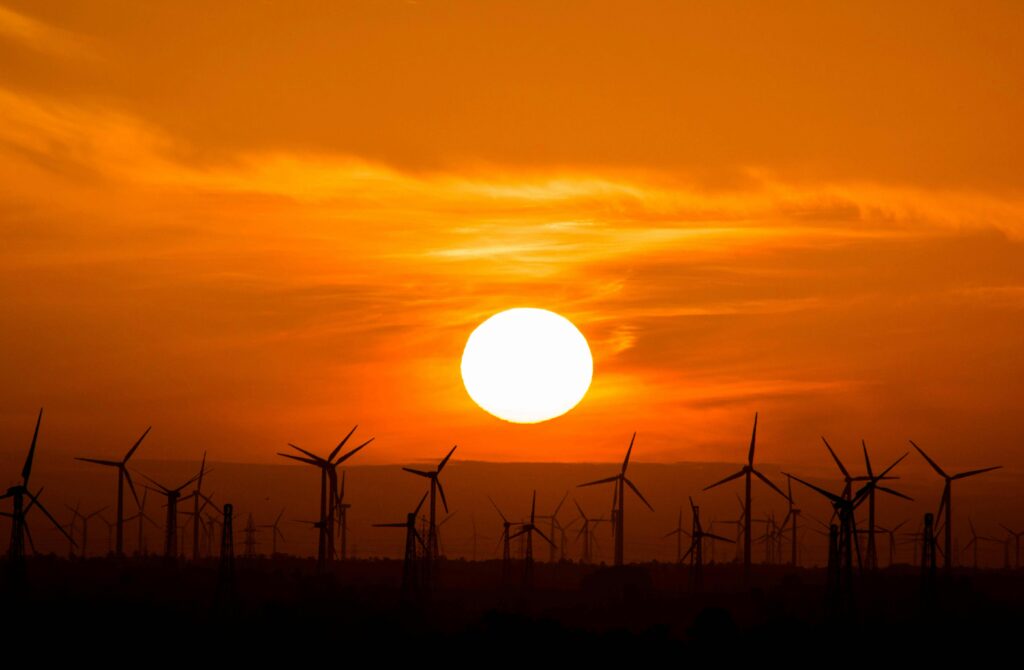
First, it highlights the importance of resilience in energy systems. Centralized infrastructure, while efficient, is vulnerable to disruption. Decentralized solutions provide an additional layer of security.
Second, it accelerates the transition to renewable energy. By enabling the effective use of solar power, storage systems support the shift away from fossil fuels.
Finally, it represents a shift in consumer behavior. Households are becoming active participants in energy production and management, rather than passive consumers.
Conclusion
The rapid adoption of home energy storage systems in Eastern Europe during wartime is the result of multiple interconnected factors. Energy insecurity, rising costs, technological advancements, government policies, and psychological needs have all contributed to this trend.
In the context of the Russia–Ukraine War, access to reliable electricity has become a critical concern, driving households to seek independent solutions. Home energy storage systems offer a practical and effective way to address this challenge.
As the situation continues to evolve, these systems are likely to play an increasingly important role in the region’s energy landscape. What began as a response to crisis may ultimately lead to a more resilient, sustainable, and decentralized energy future.